Carpal Tunnel Relief Brooklyn
Book your first visit at MK Chiropractic in DUMBO, Brooklyn. Same-day available.
Carpal tunnel syndrome: what it feels like and why it happens
Carpal tunnel syndrome (CTS) is a common nerve irritation where the median nerve gets compressed as it travels through a narrow passage in your wrist called the carpal tunnel. Many Brooklyn and NYC patients first notice tingling or numbness in the thumb, index, and middle fingers—often worse at night or first thing in the morning.
CTS rarely has just one cause. Wrist and forearm overuse (keyboard/mouse, bartending, hairstyling, construction, biking, weight training), swelling from repetitive strain, and even posture and shoulder/neck tension can increase pressure on the nerve. The key is figuring out what’s driving your symptoms in your specific case—so treatment isn’t just temporary symptom management.
Some hand symptoms mimic CTS but come from other sources, like tendon irritation, “double crush” nerve sensitivity from the neck, or ulnar nerve issues. A careful exam matters because the plan (and the prognosis) changes depending on the true driver.
- Classic CTS signs: numbness/tingling in thumb–middle fingers, night symptoms, shaking the hand for relief
- Hand weakness or dropping objects, especially grip and pinch
- Symptoms triggered by typing, scrolling, gripping a subway pole, biking, or weightlifting
- Possible contributing factors: repetitive wrist flexion/extension, swelling, poor workstation setup, pregnancy, diabetes, thyroid issues
- Look-alikes: cervical nerve irritation, pronator teres syndrome, De Quervain’s, ulnar nerve entrapment
How I diagnose CTS in the office (and when you need imaging or a specialist)
When you come into MK Chiropractic & Wellness in DUMBO, I start with a focused history: what provokes symptoms, what relieves them, how long it’s been going on, and whether you’ve noticed weakness or loss of coordination. Then I assess the entire chain—wrist/hand, forearm, elbow, shoulder, and neck—because the median nerve doesn’t exist in isolation.
Your exam may include nerve tension testing, provocative tests at the wrist, grip and pinch strength checks, and a look at how your wrist moves during the activities that flare you up. I’ll also screen for red flags like constant numbness, progressive weakness, severe night pain that’s not improving, or symptoms suggesting a different nerve problem.
If your presentation suggests significant nerve compromise or you’re not responding as expected, I may recommend coordination with your PCP/orthopedist or a neurologist for electrodiagnostic testing (EMG/NCS). The goal is clarity: confirm the diagnosis, rule out other causes, and make sure we’re choosing the safest, most effective next step.
- Detailed symptom mapping: which fingers, what times of day, what activities
- Assessment of wrist mechanics and forearm soft-tissue tension
- Screening for neck/shoulder contributions (“double crush” patterns)
- Strength and function testing (grip, pinch, thumb control)
- Referral guidance for EMG/NCS when needed to quantify nerve irritation
Chiropractic treatment options for carpal tunnel (conservative, practical, and NYC-friendly)
As a chiropractor, my role is to reduce irritation on the nerve and improve the mechanics and tissue environment around it—without jumping straight to medication or invasive procedures. Treatment is customized, but typically includes gentle wrist and hand joint mobilization, soft-tissue techniques for the forearm flexors/extensors, and nerve-gliding strategies to improve tolerance and reduce symptoms.
Because many CTS cases involve more than the wrist, I often address related areas that can amplify symptoms—like the elbow, shoulder, upper back, and neck—especially if posture, prolonged desk work, or stress tension is part of your picture. Improving these upstream mechanics can lower overall neural sensitivity and help your wrist care “stick.”
You’ll also leave with a clear plan you can actually do in a Brooklyn schedule: sleep-position tweaks, bracing guidance if appropriate, and workstation modifications that reduce flare-ups. The goal is to get you back to typing, training, and living normally—while preventing recurrence.
- Wrist/hand mobilization to improve carpal mechanics and reduce local irritation
- Soft-tissue work for forearm muscles that can increase tunnel pressure
- Median nerve glides (done correctly) to improve nerve tolerance
- Ergonomic upgrades for laptops, trackpads, and phone use common in NYC workdays
- Posture and upper-quarter care (shoulder/neck) when it’s contributing to nerve sensitivity
- Bracing guidance for nighttime symptoms and flare control (not a one-size-fits-all)
What you can do today: self-care, ergonomics, and when to act fast
If you suspect carpal tunnel, the fastest wins usually come from reducing night irritation and changing the positions that provoke symptoms. Many people unknowingly sleep with wrists bent, which increases pressure in the tunnel. A simple nighttime neutral-wrist strategy can make a big difference quickly for some patients.
During the day, think “neutral and frequent breaks.” NYC work often means long laptop sessions, heavy phone use, and repetitive gripping (commuting, gym, service industry work). Small adjustments—keyboard height, mouse grip, trackpad position, and micro-breaks—often reduce symptom frequency and intensity. If pain is sharp, numbness is constant, or weakness is developing, don’t wait; early care improves outcomes.
- Keep wrists neutral during sleep; consider a night brace if you’re waking up numb
- Take 30–60 second micro-breaks every 20–30 minutes of repetitive hand use
- Avoid sustained deep wrist flexion/extension (especially while scrolling in bed)
- Loosen your grip: death-gripping a mouse, subway pole, or dumbbell can flare symptoms
- Warm-up wrists/forearms before workouts; modify pulling/gripping volume temporarily
- Seek evaluation promptly if symptoms are worsening, constant, or you notice weakness
Why choose MK Chiropractic & Wellness in DUMBO for carpal tunnel care
I’m Dr. Michael Khodorkovsky (Dr. Mike), and at MK Chiropractic & Wellness we focus on thorough exams, clear answers, and treatment that matches your goals—whether that’s getting through a demanding office week, training pain-free, or sleeping without waking up to numb hands. Our approach is conservative, hands-on, and built around fixing the drivers of your symptoms instead of chasing them.
We’re located in DUMBO, Brooklyn at 81 Prospect St, Suite 504, convenient for patients coming from Downtown Brooklyn, Brooklyn Heights, Fort Greene, Cobble Hill, Williamsburg, and Manhattan. To schedule an evaluation for carpal tunnel symptoms, call (347) 313-8526. We work with many insurance plans and networks, including UHC, Aetna, Cigna, and ASH—our office can help you verify benefits and understand your options before you start care.
- Doctor-led evaluation to confirm CTS vs. common look-alike conditions
- Hands-on care for wrist, forearm, and contributing neck/shoulder mechanics
- Practical ergonomics tailored to NYC work setups and commuting realities
- Clear plan with measurable goals (sleep, grip strength, symptom frequency)
- Convenient DUMBO location: 81 Prospect St, Suite 504, Brooklyn, NY
- Insurance-friendly office (UHC, Aetna, Cigna, ASH) and transparent next steps
Frequently Asked Questions
Can a chiropractor help carpal tunnel syndrome?
Yes—many cases of carpal tunnel respond well to conservative care when we reduce irritation on the median nerve and improve wrist/forearm mechanics. At MK Chiropractic & Wellness, I (Dr. Mike / Dr. Michael Khodorkovsky) evaluate the wrist, forearm, elbow, shoulder, and neck, then use a plan that may include wrist/hand mobilization, soft-tissue work, nerve glides, and ergonomics. The goal is less numbness/tingling, better sleep, and stronger grip—without defaulting to medications or invasive procedures.
How do I know if it’s carpal tunnel or something else?
CTS typically affects the thumb, index, and middle fingers and often wakes you at night. But similar symptoms can come from the neck, elbow, or tendon issues. In my DUMBO Brooklyn office, I’ll map your symptoms, test nerve function and strength, and check for “double crush” patterns where the nerve is sensitive in more than one area. If findings suggest a different diagnosis or significant nerve compromise, I’ll guide you on appropriate referrals and testing.
How many chiropractic visits does carpal tunnel usually take?
It depends on severity, how long symptoms have been present, and how much repetitive strain is in your day-to-day. Mild or early cases may improve in a few weeks with consistent care and good night/day positioning. More persistent cases can take longer, especially if there’s weakness or constant numbness. At MK Chiropractic & Wellness, I’ll outline a timeline and checkpoints so you know what improvement should look like and when we should adjust the plan.
Should I wear a wrist brace for carpal tunnel—especially at night?
A neutral-wrist night brace can be very helpful for people who wake up with numbness or tingling, because it prevents the wrist from bending into positions that increase tunnel pressure. Bracing isn’t always necessary during the day and shouldn’t replace addressing the underlying drivers. When you see Dr. Mike at MK Chiropractic & Wellness, I’ll tell you whether bracing fits your case, how to wear it correctly, and what to do alongside it (mobility, soft tissue, and ergonomics).
Do you take insurance for carpal tunnel treatment in Brooklyn?
MK Chiropractic & Wellness works with many insurance plans and networks, including UHC, Aetna, Cigna, and ASH. Coverage varies by plan, so our office can help verify your benefits and explain expected costs. To check scheduling and insurance options for carpal tunnel symptoms, call us at (347) 313-8526 or visit us in DUMBO at 81 Prospect St, Suite 504, Brooklyn, NY.
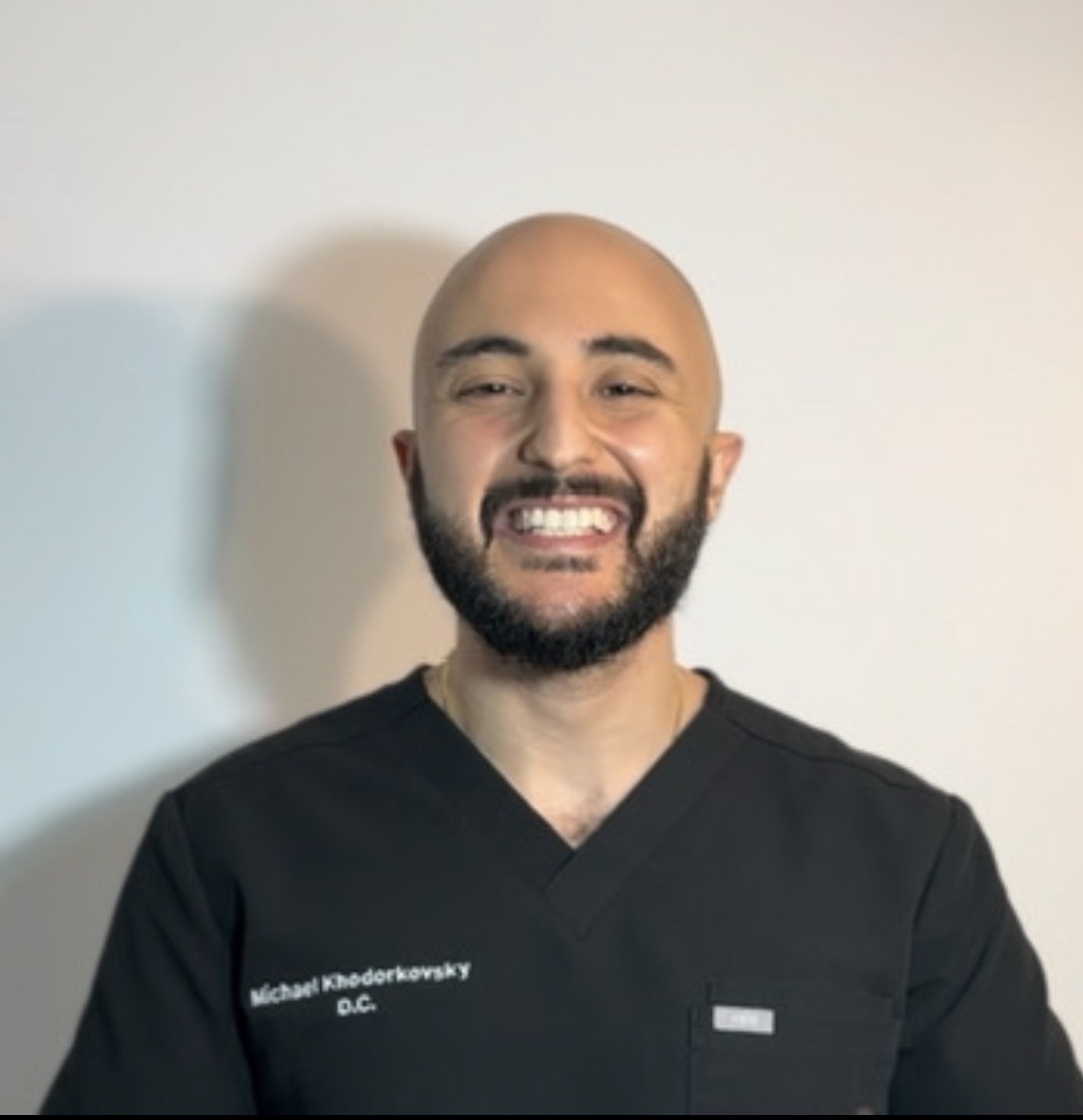
Dr. Michael Khodorkovsky, DC
Doctor of Chiropractic · MK Chiropractic & Wellness · DUMBO, Brooklyn
Dr. Mike is a Brooklyn-based chiropractor and former NCAA competitive athlete. He founded MK Chiropractic & Wellness to offer personalized, results-focused care in DUMBO — seeing every patient himself, every visit.
Ready to get started?
Book your first visit online or call the clinic. Insurance accepted — UHC, Aetna, Cigna, ASH.